Tile size plays a crucial role in how a space looks, feels, and functions. While colour and surface finish often get more attention, tile format has a direct impact on layout clarity, installation efficiency, and long-term usability.
Selecting the right tile size is less about trends and more about understanding how different formats interact with space and use.
Why Tile Size Matters More Than It Seems
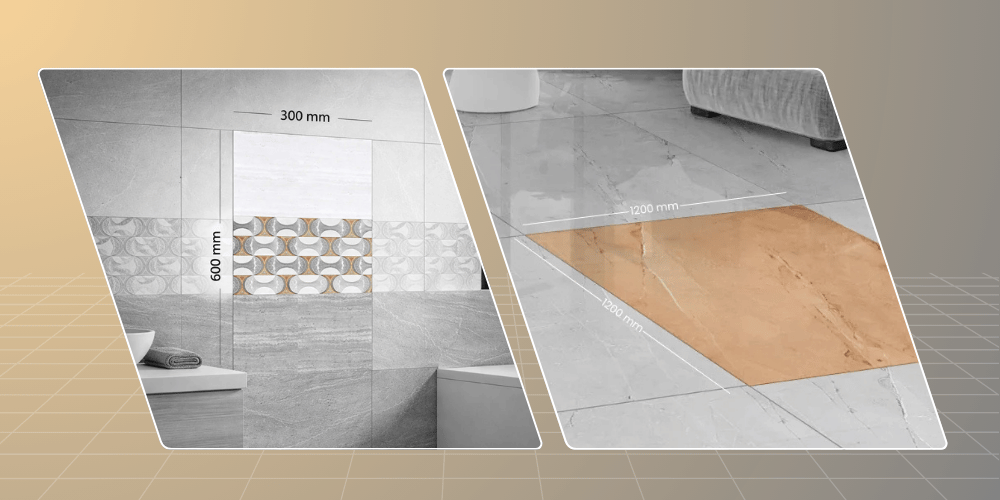
Tile size influences more than just visual appeal. It affects:
- How continuous or segmented a surface appears
- The number of grout lines across a space
- Installation time and material planning
- Maintenance and long-term wear patterns
A well-chosen tile size supports both design intent and practical performance.
Key Factors to Consider When Choosing Tile Sizes
1. Scale of the Space
The size of the room should guide tile selection.
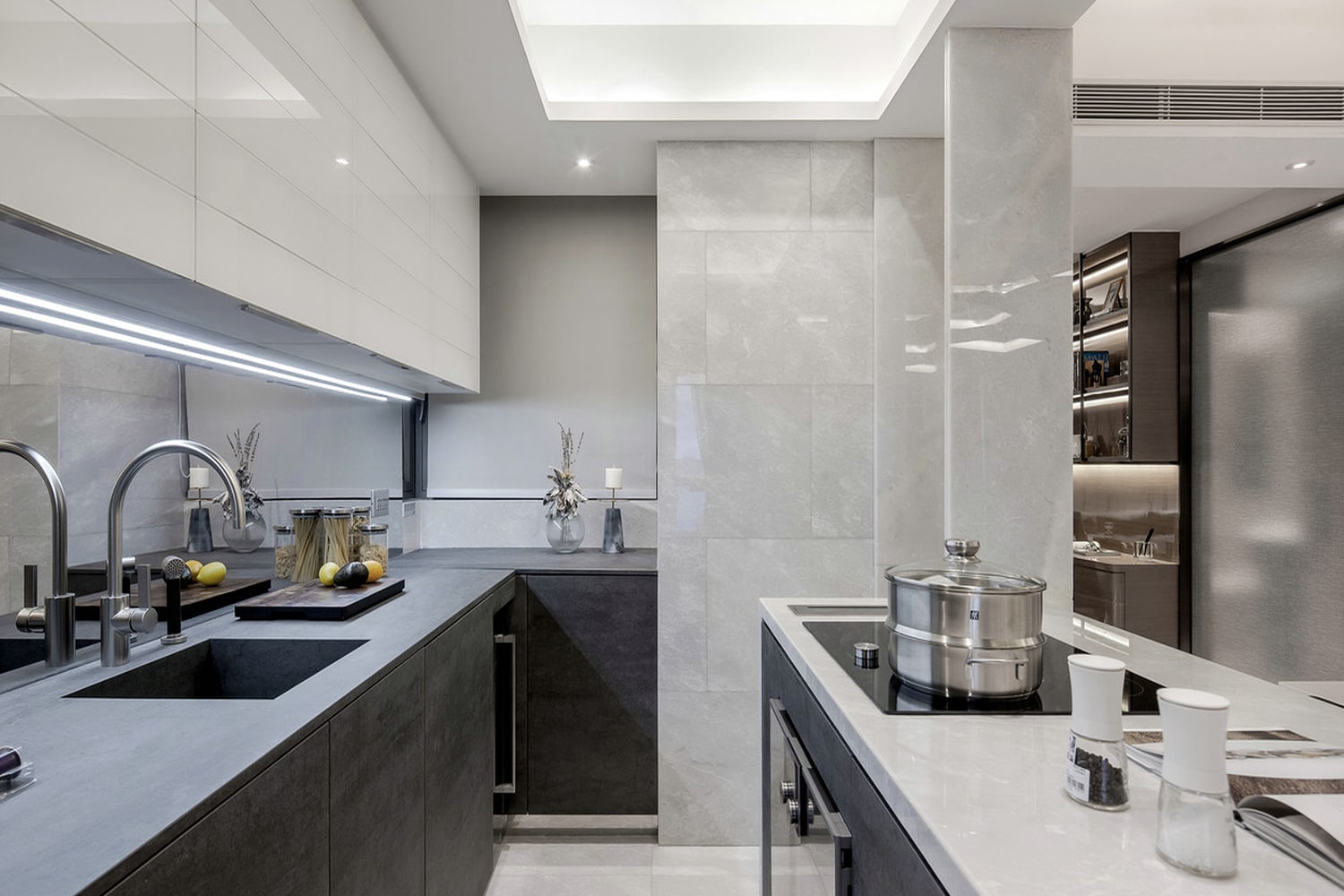
- Larger spaces often benefit from larger formats, which reduce grout lines and create a more unified surface
- Smaller spaces may require balanced or compact formats to avoid overwhelming the layout
The goal is proportionality, not maximum size.
2. Application and Usage
Different spaces place different demands on tile surfaces.
- Residential areas may prioritise ease of installation and day-to-day maintenance
- Commercial or high-traffic areas often require formats that support durability and consistent load distribution
- Outdoor or utility spaces may demand formats that work well with surface gradients and drainage
Tile size should support how the space is used, not just how it looks.
3. Layout and Installation Practicality
Tile size directly affects installation planning.
Considerations include:
- Substrate condition and level tolerance
- Cut ratios and wastage
- Alignment with architectural elements such as doorways and columns
Rectangular tiles can support directional layouts, while square formats offer flexibility across multiple patterns.
4. Visual Continuity and Grout Lines
Grout lines play a major role in the final appearance of tiled surfaces.
- Larger tiles generally result in fewer grout lines and a cleaner visual flow
- Smaller formats introduce more joints, which can add structure but also visual segmentation
Choosing the right size helps balance surface continuity with design definition.
5. Supply Consistency and Repeat Orders
For projects and export-led supply, availability across batches is critical.
- Standardised sizes are easier to maintain over repeat production runs
- Consistent formats support future expansion or replacement without visual mismatch
- Reliable sizing reduces complications for distributors and installers
Tile size selection should account for both current needs and potential future supply.
Conclusion
Tile size is not a purely aesthetic choice. It affects installation efficiency, visual balance, and long-term performance across spaces.
By selecting formats based on space, application, and supply considerations, tile surfaces integrate more naturally into real-world environments, supporting both design intent and everyday use.