When tiles are viewed individually, small variations can be easy to overlook. But once installed across a floor or wall, inconsistency becomes immediately visible. Differences in size, thickness, shade, or surface finish can disrupt layouts, complicate installation, and affect long-term performance.
In ceramic tile manufacturing, consistency is not a cosmetic detail.
It is a functional requirement.
What Consistency Really Means in Tiles
Consistency in tiles goes beyond appearance. It affects how tiles are installed, how they perform, and how they age over time.
In manufacturing terms, consistency typically covers:
- Dimensional accuracy – ensuring uniform length, width, and thickness
- Surface uniformity – maintaining consistent texture, gloss, or matte levels
- Shade alignment – reducing visible variation across tiles and batches
- Edge quality – supporting clean joints and stable installation
Each of these elements plays a role in how a finished space looks and functions.
The Risk of Inconsistency for Importers and Projects
For distributors and importers, inconsistency introduces risk. A product that performs well in one shipment but varies in the next can lead to:
- Installation challenges
- Customer dissatisfaction
- Product returns or complaints
- Delays in ongoing or repeat projects
This is why consistency is a key evaluation factor for international markets, where supply often extends beyond a single order.
How Manufacturing Discipline Supports Consistency
Consistency is not achieved through inspection alone. While quality checks are important, they are only one part of the process.
It begins with:
- Careful raw material preparation
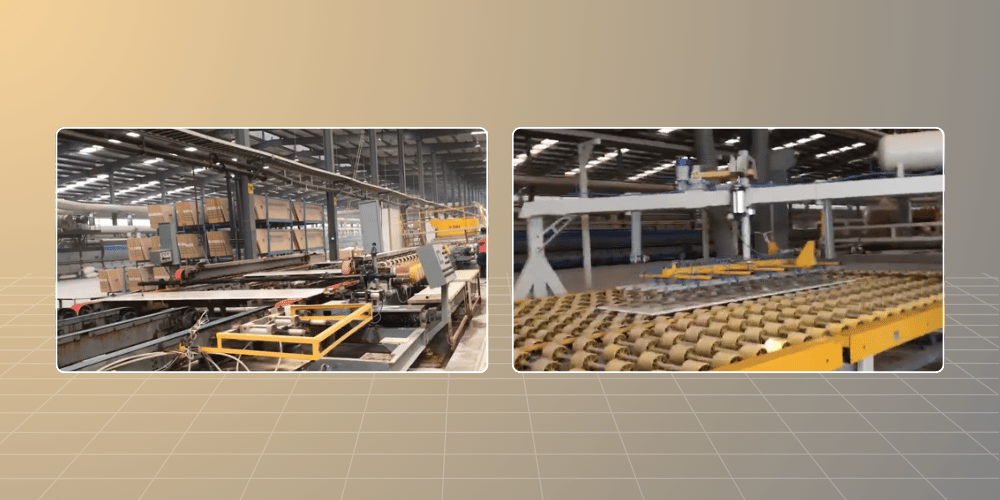
- Controlled production processes
- Standardised firing and finishing practices
- Disciplined production planning across batches
When these elements are aligned, tiles perform predictably not just at the factory, but across transport, installation, and everyday use.
Consistency Beyond the Factory Floor
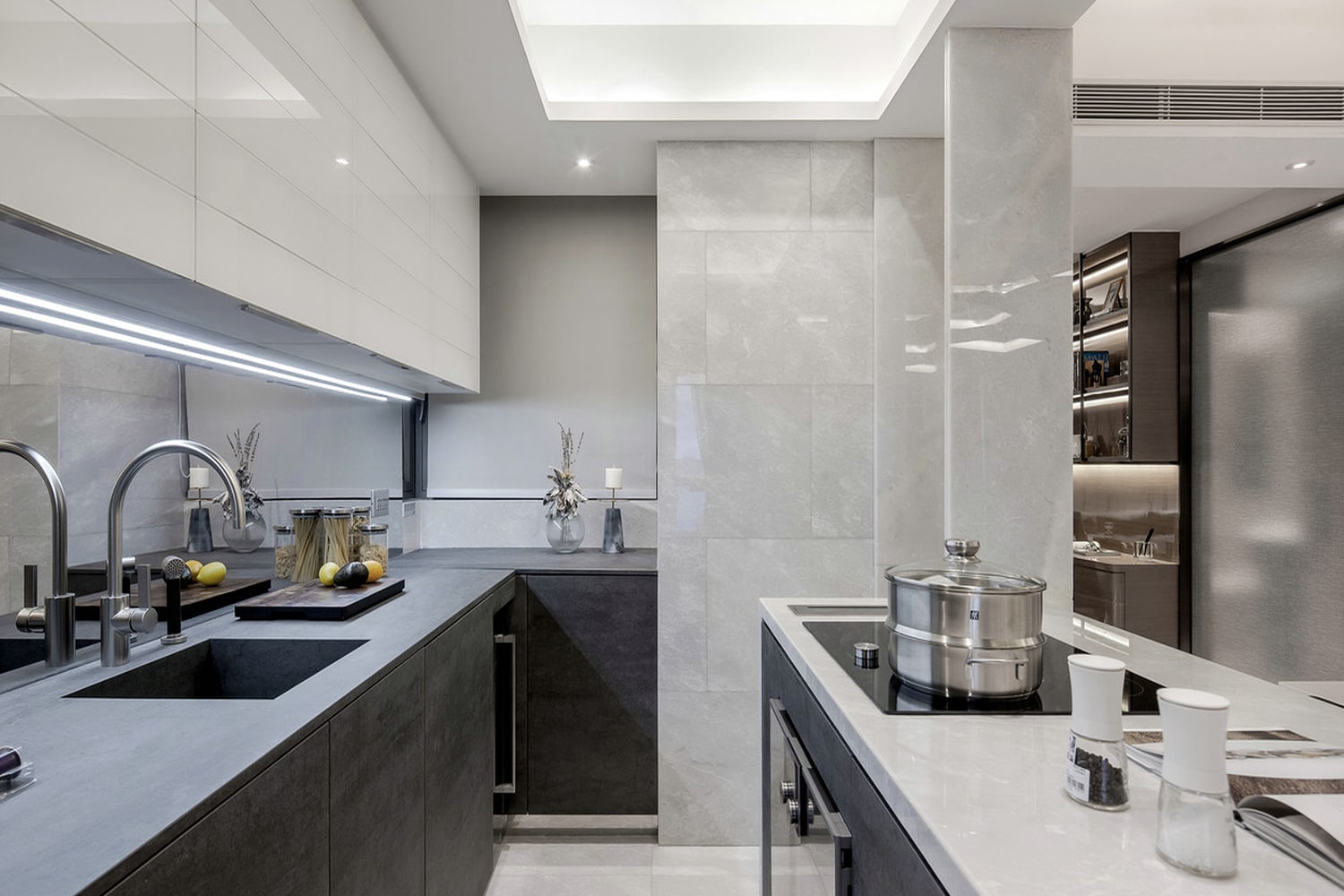
True consistency extends beyond manufacturing. It supports smoother handling during transit, reliable installation on site, and long-term performance in real-world environments.
In the end, consistency is what allows tiles to integrate seamlessly into everyday spaces, long after they leave the production line and become part of homes, workplaces, and commercial environments.